terça-feira, 29 de julho de 2014

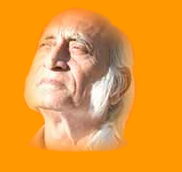
Hira Ratan Manek: The man who proved that we humans can also carry out photosynthesis (441 days without eating)

About Hira Ratan Manek Hira Ratan Manek was born on 12th of September 1937 in Bodhavad, India, was raised in Calicut, Kerala, India, where he had his Mechanical Engineering degree from the University of Kerala. After graduation, he joined the family shipping and spice trading business and continued working there until he retired in 1992.

After he retired, he began to research and study the ancient practice of sun gazing in which he had been interested in since his childhood. This method was an old but forgotten method, which had been practiced, in the ancient times in many different parts of the world. (see Sun Gazing - History)

After working on this method for 3 years, he was able to re-discover the secrets of sun gazing. During his study, he was mainly inspired from the teachings of Lord Mahavir of Jains, who was also practicing this method two thousand and six hundred years ago. Other inspirations for sungazing came from ancient Egyptians, Greeks, and Native Americans.

Since June 18th, 1995, HRM has and continues to live only on sun energy and water. Occasionally, for hospitality and social purposes, he drinks tea, coffee and buttermilk. Until now, he had three strict fastings, during which he had just sun energy and only water and was under the control and observation of various science and medical teams.
The first of these fasting lasted for 211 days during 1995-96 in Calicut, India directed by Dr. C.K. Ramachandran, a medical expert on allopathy and ayurvedic medicine.

This was followed by a 411 day fast from 2000-2001 in Ahmedabad, India directed by an International team of 21 medical doctors and scientists led by Dr. Sudhir Shah (Dr. Shah's synopsis report) and Dr. K. K. Shah, the acting President of Indian Medical Association at that time. Dr. Maurie D. Pressman, MD also describes his experience with HRM in an article he wrote and later joined the team for the next observation on HRM.

After the excitement of the findings at Ahmadabad, HRM was invited to Thomas Jefferson University and University of Pennsylvania in Philadelphia where he underwent a 130 day observation period. This Science/Medical Team wanted to observe and examine his retina, pineal gland and brain, therefore this observation team was led by Dr. Andrew B. Newberg, a leading authority on the brain and also featured in the recent movie "What the Bleep Do We Know", and by Dr. George C. Brenard, the leading authority on the pineal gland. Initial results found that the gray cells in HRM's brain are regenerating. 700 photographs have been taken where the neurons were reported to be active and not dying. Furthermore, the pineal gland was expanding and not shrinking which is typically what happens after mid fifties and its maximum average size is about 6 x 6 mm, however for HRM, it has been measured to be at 8 x 11 mm.

There have been many other sungazers who have achieved similar results and have volunteered to be tested, however due to lack of funding and other lifestyle restrictions the results have not been documented. The uniqueness of HRM is that he has surrendered his living body for observation and experiments to the scientific firmament for several extended periods of time. Although scientists and doctors have agreed that hunger is being reduced if not eliminated, due to the complexity of the various brain functions, they have not been able to explain how sungazing has such positive effects on the human mind or body, however more research is underway.

From 2002 HRM has been traveling all over the world to preach about the practice of sungazing so that humanity can heal their problems without any cost or guru. In 2009 HRM traveled to 80 countries in 210 days preaching and teaching this ancient solar methodology. Each year for the last last few years, HRM gives on average approximately 300 lectures on sungazing in different languages. Several interviews have appeared in leading media and TV all over the world including the BBC World Services and there are several documentaries on the HRM method of sungazing exhibited on different worldwide channels to encourage the the people's practice of sungazing. Additionally, many videos can be found on youtube as well as numerous links to Sungazing websites and blogs via google - in different languages such as French, Spanish, English, Hindi, etc. Many of them are listed in the Solar Links section of this site already for your perusal.

There are now Solar Healing Centers coming up all over the world and facilitating a global group of HRM Phenomenon practitioners. For those who are interested in learning more about the sun energy is an effective healing source, HRM recommends these books: - "Light, Medicine of the Future", by Jacob Lieberman - "The Healing Sun: Sunlight and Health in the 21st Century", by Richard Hobday.

Sun Gazing Process

We have a super computer in our bodies given to us by the nature, which is our brain. HRM (Hira Ratan Manek) calls it the “brainutor”. The brain is more powerful than the most advanced super computer. Each and every human being is gifted with innumerable talents, and infinite inherent powers by nature. Individuals should never underestimate themselves. Everyone is gifted. If we make use of these powers we can take ourselves to great levels. Unfortunately, these infinite inherent powers are programmed in that part of the brain that is largely dormant and goes unused. Even medical science agrees we hardly make use of the brain but about 5-7% – the most brilliant of humans like Albert Einstein is reported to have used only about 32% of their brains.

If we can activate the human brain and awaken these infinite powers inherent in ourselves then we can raise ourselves to higher levels. We can achieve any results we want. In order to operate the brain effectively, it needs to be activated. Being a holistic entity it needs a holistic power supply. Sun energy is the source that powers the brain, which can enter and leave the human body or the brain only through one organ that is the human eye. Eyes are the Sun Energy’s entry door to the human brain. 

They are also known as the windows of the soul. Recent research has found out that the eye has many functions other than vision. And more information is continuing to be revealed about the functions of the eye. The eyes are complex organs and they have 5 billion parts much more than a spacecraft that has about 6-7 million parts. By this, you can see the immense capacity of the human eye.

HRM asserts that the rainbow is in the eye not in the sky. The seven colors of the sun is only the reflection of what is in the eye. We can create a rainbow anytime we want – go to the garden, just observe below a source of flowing water as the sun moves above. There you will see the rainbow. Eye can receive the entire spectrum of the sunlight. It’s like having a glass window. Eye is the perfect instrument to receive all the colors of the rainbow. Since eyes are delicate parts of the body, we have to use them in such a way that they serve our purposes without getting damaged. 

Present day teachings and ideas such as don’t look at the sunlight at all --you will damage your eyesight; never go out in the sun as you will get cancer, are causing needless hysteria and paranoia. The more you are away from the nature, the more there is a cause for illness and you will automatically support global corporations. There are definite foolproof ways of getting the benefits of the nature without exposing ourselves to its adverse effects. It is also as intuitive as when the clouds gather we become gloomy. When we see the sun, we feel energetic. 


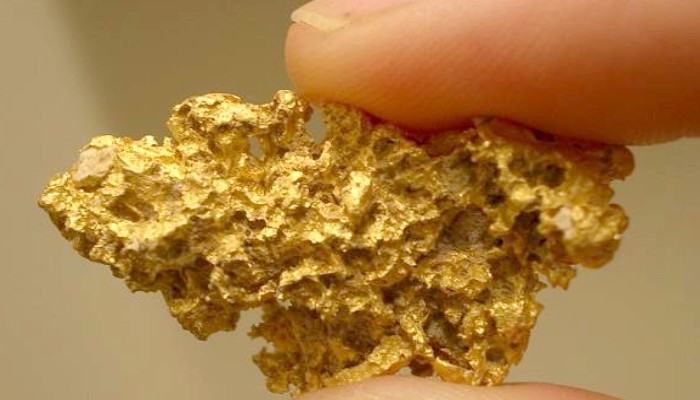
Cientistas descobrem uma propriedade oculta do ouro

O ouro é o melhor catalisador para a formação de cloreto de vinilo. (Foto Arquivo)


Os cientistas descobriram novas qualidades de ouro, tradicionalmente considerado um metal nobre e quimicamente pouco interessante devido à sua capacidade limitada a reagir com outras substâncias. A chave estaria em suas nanopartículas.

Pesquisadores da Escola de Química da Universidade de Cardiff, no País de Gales, dizem que, quando dividido em nanopartículas contendo apenas algumas centenas de átomos, é muito reativo.

“O ouro tem sido objeto de fascínio humano há milênios, em grande parte devido à sua resistência à corrosão e beleza duradoura”, diz o professor Graham Hutchings, diretor do Instituto de Catálise Cardiff (CCI). “No entanto, quando dividido em nanopartículas contendo apenas algumas centenas de átomos, e não apenas mudar a cor, mas também torna-se altamente reativo.”

Hutchings ressaltou que sua pesquisa sobre o efeito de nanopartículas de ouro em processos químicos e biológicos indica que nessa forma reduzida “reações de ouro são mais rápidos, mais fácil e mais eficiente em termos energéticos do que muitos outros catalisadores.”

Catálise é uma tecnologia que é aplicada a cerca de 80 por cento e 90 por cento de todos os produtos fabricados.

Este fenómeno implica um material que não é um dos reagentes, que acelera a reacção desejada sem a necessidade de um aumento de temperatura.Os catalisadores geralmente utilizados, tais como os que contêm mercúrio provaram prejudiciais para o meio ambiente e mesmo prejudicial para a saúde humana.

Uma das descobertas iniciais feitas no País de Gales é que o ouro é o melhor catalisador para a formação de cloreto de vinilo, o ingrediente principal para a produção de PVC, e tem o potencial de substituir o catalisador mercúrio prejudicial para o ambiente, o que seria um grande benefício para a sociedade.

Science Confirms Turmeric As Effective As 14 Drugs


Turmeric is one the most thoroughly researched plants in existence today. Its medicinal properties and components (primarily curcumin) have been the subject of over 5600 peer-reviewed and published biomedical studies. In fact, our five-year long research project on this sacred plant has revealed over 600 potential preventive and therapeutic applications, as well as 175 distinct beneficial physiological effects. This entire database of 1,585 ncbi-hyperlinked turmeric abstracts can be downloaded as a PDF at our Downloadable Turmeric Document page, and acquired either as a retail item or with 200 GMI-tokens, for those of you who are already are members and receive them automatically each month.

Given the sheer density of research performed on this remarkable spice, it is no wonder that a growing number of studies have concluded that it compares favorably to a variety of conventional medications, including:

Lipitor/Atorvastatin(cholesterol medication): 

A 2008 study published in the journal Drugs in R & D found that a standardized preparation of curcuminoids from Turmeric compared favorably to the drug atorvastatin (trade name Lipitor) on endothelial dysfunction, the underlying pathology of the blood vessels that drives atherosclerosis, in association with reductions in inflammation and oxidative stress in type 2 diabetic patients. [i] [For addition curcumin and 'high cholesterol' research – 8 abstracts]


Corticosteroids (steroid medications): 


A 1999 study published in the journal Phytotherapy Research found that the primary polyphenol in turmeric, the saffron colored pigment known as curcumin, compared favorably to steroids in the management of chronic anterior uveitis, an inflammatory eye disease.[ii] A 2008 study published in Critical Care Medicine found that curcumin compared favorably to the corticosteroid drug dexamethasone in the animal model as an alternative therapy for protecting lung transplantation-associated injury by down-regulating inflammatory genes.[iii] An earlier 2003 study published in Cancer Letters found the same drug also compared favorably to dexamethasone in a lung ischaemia-repurfusion injury model.[iv] [for additional curcumin and inflammation research – 52 abstracts]

Prozac/Fluoxetine & Imipramine (antidepressants): 

A 2011 study published in the journalActa Poloniae Pharmaceutica found that curcumin compared favorably to both drugs in reducing depressive behavior in an animal model.[v] [for additional curcumin and depression research – 5 abstracts]

Aspirin (blood thinner): 

A 1986 in vitro and ex vivo study published in the journalArzneimittelforschung found that curcumin has anti-platelet and prostacyclin modulating effects compared to aspirin, indicating it may have value in patients prone to vascular thrombosis and requiring anti-arthritis therapy.[vi] [for additional curcumin and anti-platelet research]

Anti-inflammatory Drugs: 

A 2004 study published in the journal Oncogene found that curcumin (as well as resveratrol) were effective alternatives to the drugs aspirin, ibuprofen, sulindac, phenylbutazone, naproxen, indomethacin, diclofenac, dexamethasone, celecoxib, and tamoxifen in exerting anti-inflammatory and anti-proliferative activity against tumor cells.[vii] [for additional curcumin and anti-proliferative research – 15 abstracts]

Oxaliplatin (chemotherapy drug): 

A 2007 study published in the International Journal of Cancer found that curcumin compares favorably with oxaliplatin as an antiproliferative agenet in colorectal cell lines.[viii] [for additional curcumin and colorectal cancer research – 52 abstracts]

Metformin (diabetes drug): 

A 2009 study published in the journal Biochemitry and Biophysical Research Community explored how curcumin might be valuable in treating diabetes, finding that it activates AMPK (which increases glucose uptake) and suppresses gluconeogenic gene expression (which suppresses glucose production in the liver) in hepatoma cells. Interestingly, they found curcumin to be 500 times to 100,000 times (in the form known as tetrahydrocurcuminoids(THC)) more potent than metformin in activating AMPK and its downstream target acetyl-CoA carboxylase (ACC). [ix]


Another way in which turmeric and its components reveal their remarkable therapeutic properties is in research on drug resistant- and multi-drug resistant cancers. We have two sections on our site dedicated to researching natural and integrative therapies on these topics, and while there are dozens of substances with demonstrable efficacy against these chemotherapy- and radiation-resistant cancers, curcumin tops both lists:


We have found no less than 54 studies indicating that curcumin can induce cell death or sensitize drug-resistant cancer cell lines to conventional treatment.[x]

We have identified 27 studies on curcumin's ability to either induce cell death or sensitize multi-drug resistant cancer cell lines to conventional treatment.[xi]

Considering how strong a track record turmeric (curcumin) has, having been used as both food and medicine in a wide range of cultures, for thousands of years, a strong argument can be made for using curcumin as a drug alternative or adjuvant in cancer treatment. 

Or, better yet, use certified organic (non-irradiated) turmeric in lower culinary doses on a daily basis so that heroic doses won't be necessary later in life after a serious disease sets in. Nourishing yourself, rather than self-medicating with 'nutraceuticals,' should be the goal of a healthy diet. [learn more at Sayer Ji's new collaborative project EATomology]

Resources


[ii] B Lal, A K Kapoor, O P Asthana, P K Agrawal, R Prasad, P Kumar, R C Srimal. Efficacy of curcumin in the management of chronic anterior uveitis. Phytother Res. 1999 Jun;13(4):318-22. PMID: 10404539

[iii] Jiayuan Sun, Weigang Guo, Yong Ben, Jinjun Jiang, Changjun Tan, Zude Xu, Xiangdong Wang, Chunxue Bai. Preventive effects of curcumin and dexamethasone on lung transplantation-associated lung injury in rats. Crit Care Med. 2008 Apr;36(4):1205-13. PMID: 18379247

[iv] J Sun, D Yang, S Li, Z Xu, X Wang, C Bai. Effects of curcumin or dexamethasone on lung ischaemia-reperfusion injury in rats. Cancer Lett. 2003 Mar 31;192(2):145-9. PMID: 18799504

[v] Jayesh Sanmukhani, Ashish Anovadiya, Chandrabhanu B Tripathi. Evaluation of antidepressant like activity of curcumin and its combination with fluoxetine and imipramine: an acute and chronic study. Acta Pol Pharm. 2011 Sep-Oct;68(5):769-75. PMID:21928724

[vi] R Srivastava, V Puri, R C Srimal, B N Dhawan. Effect of curcumin on platelet aggregation and vascular prostacyclin synthesis. Arzneimittelforschung. 1986 Apr;36(4):715-7. PMID:3521617


[viii] Lynne M Howells, Anita Mitra, Margaret M Manson. Comparison of oxaliplatin- and curcumin-mediated antiproliferative effects in colorectal cell lines. Int J Cancer. 2007 Jul 1;121(1):175-83. PMID: 17330230

[ix] Teayoun Kim, Jessica Davis, Albert J Zhang, Xiaoming He, Suresh T Mathews. Curcumin activates AMPK and suppresses gluconeogenic gene expression in hepatoma cells.Biochem Biophys Res Commun. 2009 Oct 16;388(2):377-82. Epub 2009 Aug 8. PMID: 19665995

[x] GreenMedInfo.com, Curcumin Kills Drug Resistant Cancers, 54 Abstracts

[xi] GreenMedInfo.com, Curcumin Kills Multi-Drug Resistant Cancers: 27 Abstracts.

Source: Greenmedinfo

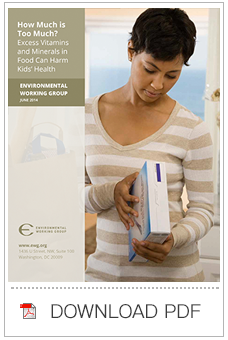
How Much is Too Much? Excess Vitamins and Minerals in Food Can Harm Kids’ Health

Can you get too much of a good thing? When it comes to vitamin A, zinc and niacin, yes you can.
Click here to download

We need enough of these nutrients for good health, but consuming too much can be harmful – especially to young children, the elderly and pregnant women. Because offlawed government policies and food producers who fortify foods with extra nutrients in the hope of boosting sales, many American children today are getting excessive amounts of certain nutrients. 

Getting sufficient amounts of key nutrients is important for a healthy diet, but many Americans don’t realize that consuming excessive amounts of some nutrients can be harmful. Food producers often fortify foods with large amounts of vitamins and minerals to make their products appear more nutritious so they will sell better. Because the Food and Drug Administration’s current dietary Daily Values for most vitamins and minerals were set in 1968 and are woefully outdated, some products may contain fortified nutrients in amounts much greater than the levels deemed safe by the Institute of Medicine, a branch of the National Academy of Sciences. 
EWG’s review of fortified foods currently on the market found that young children are at risk of consuming too much of three nutrients – vitamin A, zinc and niacin. Fortified breakfast cereals are the number one source of excessive intake because all three nutrients are added to fortified foods in amounts calculated for adults, not children. The FDA’s current Daily Values for these three nutrients are actually higher than the “Tolerable Upper Intake Level” calculated by the Institute of Medicine for children 8 and younger. Pregnant women and older adults may also be at risk of consuming too much vitamin A from other fortified foods, such as snack bars. 

Nutrient content claims are used as marketing tools. High fortification levels in a product can induce consumers to buy certain foods because they seem “healthier” even though they might not be, as the Institute of Medicine has pointed out in multiple reports (IOM 1990; IOM 2010). 

Vitamin A, zinc, and niacin are all necessary for health, but too high doses can cause toxic symptoms. Routinely ingesting too much vitamin A from foods such as liver or supplements can over time lead to liver damage, skeletal abnormalities, peeling skin, brittle nails and hair loss. These effects can be short-term or long lasting. In older adults, high vitamin A intake has been linked to hip fractures. Taking too much vitamin A during pregnancy can result in developmental abnormalities in the fetus. High zinc intakes can impair copper absorption and negatively affect red and white blood cells and immune function. Niacin is less toxic than vitamin A and zinc, but consuming too much can cause short-term symptoms such as rash, nausea and vomiting.

Although many Americans do not eat enough vitamin-rich vegetables, fruits and other fresh products and consequently get too little of some vitamins and minerals, ingesting excessive amounts is also unhealthy. Data from the National Health and Nutrition Examination Survey (NHANES) show that with the exception of vitamins D and E and calcium, dietary deficiencies of vitamins and minerals are rare among children 8 and younger in the United States (Berner 2014). For young children, the problem is the opposite – the risk of too much intake of some nutrients from fortified foods and supplements (Bailey 2012a; Butte 2010). 

One recent study by a joint research team of the National Institutes of Health and California Polytechnic State University found that children younger than 8 are at risk of consuming vitamin A, zinc and niacin at levels above the Institute of Medicine’s Tolerable Upper Intake Level. The study found that from food alone, including naturally occurring and fortified sources, 45 percent of 2-to-8-year-old children consume too much zinc, 13 percent get too much vitamin A and 8 percent consume too much niacin (Berner 2014). Similar results have been published by the FDA itself (FDA 2014a) and by a research group at the University of Toronto (Sacco 2013). In contrast, eating fresh foods that naturally contain vitamins and minerals has significant health benefits and, with very few exceptions, has not been linked to excessive vitamin and mineral intake.

It is difficult or impossible to link these nutrient overexposures to specific cases of harm to children’s health, but multiple studies point out that cumulative exposures from fortified food and supplements could put children at risk for potential adverse effects (IOM 2003; IOM 2005). Multiple expert reviews conducted in the United States and in Europe have highlighted the health risks of high vitamin and mineral fortification of foods (BfR 2005; BfR 2006; EFSA 2006; IOM 2001; UK EVM 2003). 

EWG analyzed the data on Nutrition Facts labels for breakfast cereals and snack bars, two food categories that are frequently fortified and heavily marketed for children. EWG’s analysis was based on data gathered by FoodEssentials, a company that compiles information on foods sold in American supermarkets. EWG reviewed 1,556 breakfast cereals and 1,025 snack bars, identifying 114 cereals fortified with 30 percent or more of the adult Daily Value for vitamin A, zinc and/or niacin and 27 snack bars fortified with 50 percent or more of the adult Daily Value for at least one of these nutrients. 
A number of factors make children’s excessive intake of vitamin A, zinc and niacin a health concern:

• These micronutrients are present naturally in food and are also added to many foods children and toddlers eat, including milk, meat, enriched bread and snacks. 

• Many cereals and snack bars are fortified at levels that the FDA considers high, exceeding the amounts children need and in some cases exceeding the safe upper limits for young children in a single serving. 

• Intentional or accidental fortification “overages” by manufacturers can make actual exposures greater than the amounts indicated on the nutrition label. 

• Many children eat more than a single serving at a sitting because the serving sizes listed on many packaged foods do not reflect the larger amounts people actually eat.

• A third of all children, and as many as 45 percent of the younger age groups, take dietary supplements (Bailey 2013). 

Excessive exposure to fortified nutrients is the result of unscrupulous marketing, flawed nutrition labeling and outdated fortification policy. The current nutrition labeling system puts children’s health at risk and is in dire need of reform. The FDA’s recently proposed reforms (FDA 2014b; FDA 2014c) are a step in the right direction, but they remain insufficient to protect children’s health from over-consumption of fortified micronutrients. 

To address these problems, the FDA must set percent Daily Value levels that reflect current science; require nutrition labels on products marketed for children to display percent Daily Values specific to each age group, such as 1-to-3-year-olds and 4-to-8-year-olds; and update the serving sizes cited on Nutrition Facts labels to accurately reflect the larger amounts that Americans actually eat. The FDA should also modernize its 1980 guidelines on voluntary food supplementation, particularly for products that children eight years old and younger may eat. Food fortification policy must be based on specific risk assessments for each nutrient and for specific population groups.

EWG recommends that parents give their children products with no more than 20-to-25 percent of the adult Daily Value for vitamin A, zinc and niacin and monitor their children’s intake of these and other foods so kids do not get too much of these nutrients. Because too much vitamin A can cause birth defects, EWG also recommends that pregnant women watch their intake of products fortified with vitamin A, especially if they are taking a vitamin pill. Older adults should also carefully monitor vitamin A in their diets and supplements in order to avoid the risks of osteoporosis and hip fractures associated with high vitamin A intake.

Finally, it is critical that the FDA take seriously the question of how food manufacturers may misuse food fortification guidelines and nutrient content claims to sell more products, particularly those of little nutritional value.