sábado, 27 de dezembro de 2014

Divulgado manual da CIA que ensinava aos espiões como se infiltrarem no aeroporto de Lisboa

Wikileaks revelou guias da CIA que explicam aos espiões como podem evitar serem descobertos quando se infiltram em países da União Europeia. Aeroporto da Portela, em Lisboa, na lista com detalhes.

Aeroporto da Portela, em Lisboa.

A Wikileaks divulgou este domingo mais documentos classificados como secretos pela CIA, neste caso guias práticos para os agentes secretos norte-americanos manterem o seu disfarce quanto se tentam infiltrar em países da União Europeia e do espaço Schengen, passando as verificações de segurança dos aeroportos.

“A CIA realizou uma série de sequestros de cidadãos oriundos de países da União Europeia, incluindo da Itália e da Suécia, durante a Administração de Bush. Estes manuais provam que, sob a Administração de Obama, a CIA continua com intenções de se infiltrar nas fronteiras da União Europeia e conduzir operações clandestinas em Estados-membros da UE”, garantiu o líder da Wikileaks, Julian Assange.

Num dos manuais divulgados – intitulado “Sobreviver ao Segundo Interrogatório” – a CIA explica aos agentes secretos como devem ultrapassar os desafios causados pelas perguntas das autoridades que controlam as fronteiras e como manterem o seu disfarce. O essencial, escreveu a CIA a 21 de setembro de 2011, é ter ” um disfarce consistente, muito bem ensaiado e plausível”, pode ler-se no guia, que contém, ainda, vários detalhes sobre os métodos utilizados nos diferentes aeroportos dos países-membros.
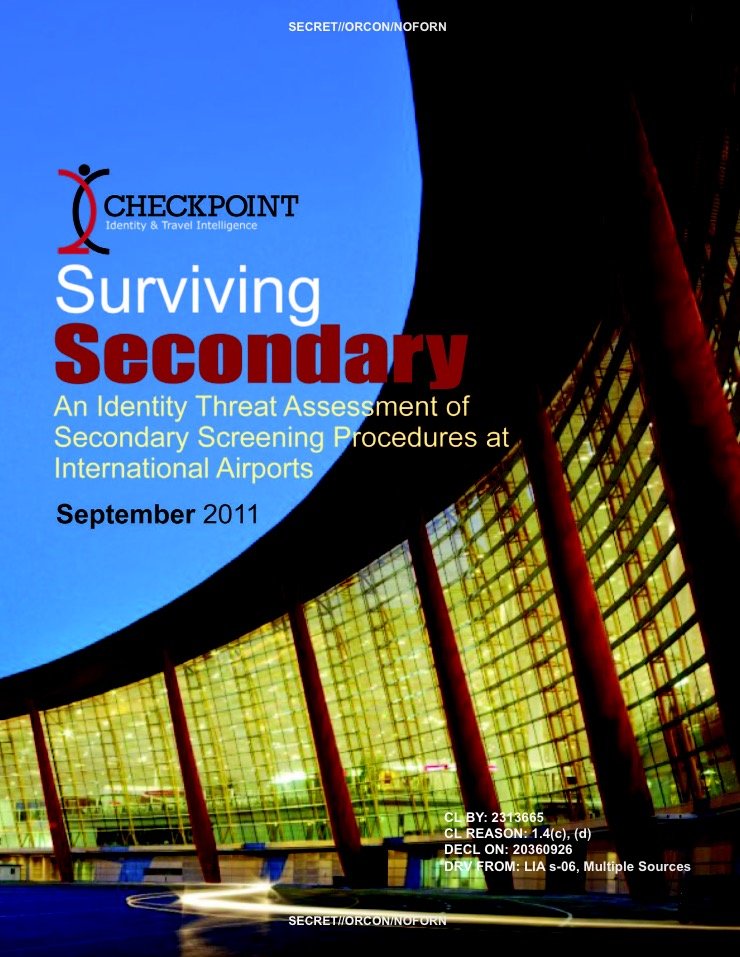

Fonte: Wikileaks. O documento pode ser consultado em anexo à notícia.

“Os viajantes devem-se assegurar, também, que, antes de viajarem, tudo o que trazem com eles deve ser consistente com o disfarce - os passaportes, a história da viagem, a bagagem, os aparelhos eletrónicos, o lixo que têm nos bolsos, as reservas de hotel, o registo nas redes sociais“, sob o risco de os funcionários do aeroporto os considerarem suspeitos, avisa a agência de inteligência norte-americana.

CIA ensina espiões como se infiltrar em Portugal

O aeroporto da Portela, em Lisboa, figura naturalmente na lista: os agentes secretos que se pretendem infiltrar em Portugal devem saber que o segundo interrogatório é um procedimento comum quando a origem dos passageiros é Angola, Brasil, Guiné-Bissau, Moçambique e países do ocidente africano. Por isso, e caso o falso perfil do agente faça referência a estes países, os agentes da CIA são treinados para responderem corretamente às perguntas das autoridades portuguesas.

A CIA fez, também, uma lista de comportamentos suspeitos que podem valer aos espiões – ou como a CIA os designa no documento, “viajantes dos Estados Unidos não-identificados” – um segundo interrogatório. Os agentes são instruídos a não permitirem que exista uma “pausa significativa” entre o momento em que foi feita a questão e o momento da resposta, a não usarem sons que atrasam a resposta, como ‘ah’ ou ‘hum’, e a não apresentarem sinais evidentes de nervosismo – como engolir em seco, morder o lábio, transpirar, respirar profundamente ou ajustar a roupa frequentemente.

O Manual da CIA que ensina os espiões a infiltrarem-se no espaço Schengen
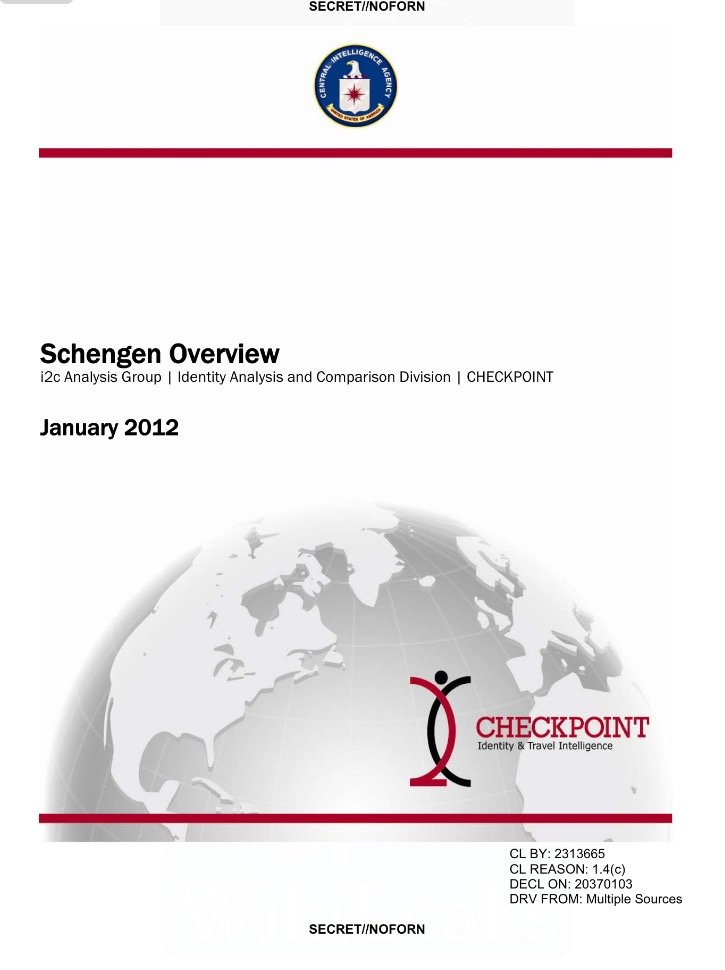

Fonte: Wikileaks. Documento pode ser consultado na íntegra em anexo.

O segundo documento, um guia para os espiões norte-americanos que procuram entrar em países do espaço Schengen, explica os vários sistemas eletrónicos de identificação de passageiros utilizados pelos diferentes aeroportos e os riscos que representam para os disfarces dos agentes secretos.

O Sistema Europeu de Informação sobre Vistos (VIS) – uma base de dados criada para permitir uma troca rápida dos dados relativos aos vistos de curta duração entre os países Schengen e que contém informações e dados biométricos dos passageiros (incluindo as impressões digitais) – é uma das maiores preocupações da agência de inteligência norte-americana, que teme que os seus agentes fiquem demasiado expostos – é que o novo sistema tecnológico põe em risco as identidades falsas criadas pelos espiões.

Estes manuais agora divulgados são apenas a ponta do icebergue: a Wikileaks vai continuar a disponibilizar documentos secretos da agência de inteligência norte-americana ao longo do próximo ano, pelo que se esperam novas revelações sobre os métodos utilizados pela CIA.

Documentos


NASA quer criar cidade flutuante para humanos em Vénus


Há muito tempo que já se sabe que a exploração de Vénus é complicada por vários motivos e, por isso, os esforços estão direcionados para Marte. No entanto, a NASA propõe uma nova ideia para visitar o vizinho mais próximo da Terra: uma espécie de nave-cidade que flutue sobre as nuvens venusianas.

Como dito, Vénus é mais perto da Terra do que Marte. A distância varia entre 38 milhões e 261 milhões de quilómetros, enquanto para chegar até ao planeta vermelho é necessário percorrer entre 56 milhões e 401 milhões de quilómetros. Além disso, o tamanho é parecido, com um raio de 6.052 km, enquanto o globo terrestre tem um raio de 6.371 km.

Mas as semelhanças ficam por aqui. Até hoje, nenhuma sonda foi capaz de durar mais de duas horas na superfície. Isso porque a pressão atmosférica é 92 vezes maior que a da Terra, com uma temperatura média de 462 graus Celsius, forte atividade vulcânica e uma atmosfera composta de gás carbónico e um pouco de hidrogénio com uma nuvem feita de ácido sulfúrico.

No entanto, a NASA quer desafiar estas condições mesmo assim, navegando a cerca de 50 quilómetros do solo de Vénus. Nesta área, as condições são bastante similares à da Terra, com uma pressão semelhante, gravidade levemente inferior, o que também facilitaria a estadia dos humanos, já que reduziria os efeitos da gravidade zero no organismo. A temperatura chega a 75 graus Celsius, o que não é confortável, mas é exequível, e a protecção atmosférica da radiação solar seria comparável a viver no Canadá.

A posição da cidade seria fixa, mas a exploração seria possível através de um dirigível de 130 metros de comprimento cheio de hélio, acompanhado de outro menor, robótico, de 31 metros. O fornecimento de energia seria feito pelo Sol, aproveitando a maior proximidade com o astro, utilizando cerca de mil metros quadrados de painéis solares.

O design está a ser feito baseado em tecnologias que já existem ou que estão próximas de saírem do papel. No entanto, ainda deve levar pelo menos uma década para que o projecto seja colocado em prática.

O primeiro passo, no entanto, é começar com uma sonda robótica para realizar as investigações iniciais. Com os dados em mãos, a etapa seguinte seria enviar uma missão tripulada para passar 30 dias a flutuar sobre o planeta. De seguida, equipas com dois astronautas passariam um ano em Vénus. O objetivo final seria uma presença humana permanente numa cidade flutuante.


Fonte: http://ultimas-curiosidades.blogspot.pt/

"Porque adoecemos?" por Dr. Lair Ribeiro


terça-feira, 23 de dezembro de 2014

Research: Bisphenol A (BPA) Causes 100x More Harm Than Previously Imagined

Research: Bisphenol A (BPA) Causes 100x More Harm Than Previously Imagined


A new study reveals just how profoundly misled we are about Bisphenol A and its analogs: they are at least 100x more toxic than we previously imagined.
An alarming new study establishes that the commonly used chemical bisphenol A used in tens of thousands of consumer products, and its lesser known but increasingly prevalent analogs, bisphenol S and F, are several orders of magnitude more disruptive to the endocrine systems of the developing male human fetus than previous toxicological risk assessments were capable of determining.
The new study was published in the journal Fertility and Sterility and titled, "A new chapter in the bisphenol A story: bisphenol S and bisphenol F are not safe alternatives to this compound."
As we have documented extensively in the past, the authors of the new study raise concerns that as awareness of bisphenol A's clearly demonstrated toxicity grows and it loses favor within the marketplace, manufacturers are increasingly substituting it with chemically similar bisphenol compounds whose toxicities are less well characterized. As a result, consumers who conscientiously buy ostensibly 'BPA-free' products are being mislead into thinking they are bisphenol free and therefore safe.
The new study employed an innovative 'organotypic culture' system that took tissue samples from mouse, rat and human fetal testis, in order to create an experimental model that would accurately reproduce some of the dynamics observable within in vivo (living organism-based) systems that are not ascertainable within conventional in vitro (cell-based) models. They termed this experimental environment the fetal testis assay (FeTA) system.
Disturbingly, they found:
"With the use of a culture system that we developed (fetal testis assay [FeTA]), we previously showed that 10 nmol/L BPA reduces basal testosterone secretion of human fetal testis explants and that the susceptibility to BPA is at least 100-fold lower in rat and mouse fetal testes." [emphasis added]
In other word, the endocrine-disruptive effect of bisphenol A – particularly its ability to suppress the testosterone-mediated mascularization process during embryogenesis -- may be at least 100 times more toxic than previously believed.
How so?
Conventional toxicological risk assessments of novel new chemicals like bisphenol A are invariably performed on rodents, with effects (lethal dose 50%/LD50) extrapolated to humans based merely on body weight differences. What these do not account for is the contrasting ontological differences between cells of different species. Nor do these acute lethal response studies (LD50) account for the non-linear response between dose and effect (i.e. monotonicity). 
An accumulating body of scientific evidence has forced an acknowledgment today that the low-dose effects of chemicals on hormonal systems include the following counterintuitive response: a lower dose may have more profoundly disruptive effects on our hormonal system than higher doses.
This concept may be so counterintuitive, that it begs for deeper explanation. For instance, if chemical compound X at 1 milligram induces programmed cell death within an exposed cell, and .01 milligram of compound X induces a phenotypal change in the cell consistent with cancer, it will be the latter effect (the lower dose) that may be more detrimental in the long term, as cell death follows with stem-cell mediated replacement of the damaged differentiated cell; whereas chemically-induced carcinogenesis may result in the death of the entire organism).
Case in point:
"Using the FeTA system, we previously reported that basal testosterone secretion by human testes was not affected by 10,000 nmol/L DES, but it was reduced by concentrations as low as 10 nmol/L of BPA. Conversely, 10 nmol/L and 100 nmol/L BPA did not affect testosterone secretion by both mouse and rat testes, and 10,000 nmol/L BPA was needed to observe a significant reduction (58)."
The researchers also noted that during the development of the nascent male human in embryogenesis exposure to bisphenols in the 6.5th and 14th gestational weeks – the window known to be critical for what is known as the ''masculinization programming window' – these chemicals are likely contributing to the alarming worldwide increase in male reproductive disorders, such as such as "hypospadias [abnormally placed urinary hole], cryptorchidism [the absence of one or both of the testicles], incomplete development or agenesis of prostate and seminal vesicles, and reduction of the anogenital distance (AGD) [ the distance from the anus to the genitalia] and penis length."

Clearly, conventional toxicology, where the assumption is that a higher concentration of a toxic substance is linearly connected to a higher quantifiable adverse response, is no longer realistic. Living systems are highly dynamic and complex and one can never predict how a xenobiotic chemical will affect it. Any biologically incompatible chemical, introduced at a critically important developmental window, could result in untold adverse effects. The point is to eliminate unnecessary exposures, instead of abiding by what regulators consider 'an acceptable level of harm.'
Clearly, the time is now to call for a ban of bisphenol containing products. While 3.4 millions tons are produced annually, with 20% of this being used as epoxy resin to coat food and beverage metallic cans, we can no longer pretend, given the latest research, that this chemical is not causing massive damage to exposed populations. The researchers comment:
Bisphenol A (BPA) is a widely studied typical endocrine-disrupting chemical, and one of the major new issues is the safe replacement of this commonly used compound. Bisphenol S (BPS) and bisphenol F (BPF) are already or are planned to be used as BPA alternatives. With the use of a culture system that we developed (fetal testis assay [FeTA]), we previously showed that 10 nmol/L BPA reduces basal testosterone secretion of human fetal testis explants and that the susceptibility to BPA is at least 100-fold lower in rat and mouse fetal testes. Here, we show that addition of LH in the FeTA system considerably enhances BPA minimum effective concentration in mouse and human but not in rat fetal testes. Then, using the FeTA system without LH (the experimental conditions in which mouse and human fetal testes are most sensitive to BPA), we found that, as for BPA, 10 nmol/L BPS or BPF is sufficient to decrease basal testosterone secretion by human fetal testes with often nonmonotonic dose-response curves. In fetal mouse testes, the dose-response curves were mostly monotonic and the minimum effective concentrations were 1,000 nmol/L for BPA and BPF and 100 nmol/L for BPS. Finally, 10,000 nmol/L BPA, BPS, or BPF reduced Insl3 expression in cultured mouse fetal testes. This is the first report describing BPS and BPF adverse effects on a physiologic function in humans and rodents.
On a Brighter Note...
While chemicals like BPA represent a source of great harm, there is plenty of research revealing that we can mitigate and/or undo some of the damage associated with its ubiquitous exposure, when eliminating it all together is not an option. In line with our mission: Education Equal Empowerment, we have gathered up abstracts from the National Library of Medicine indicating the in-built resilience of biological systems to attenuate the adverse effects of these chemicals, such as: 
  • Genistein: This phytocompound, found in physiologicallly significant concentrations in soy, red clover and coffee, is capable of reducing the adverse effect of bisphenol A exposure. Read Studies.
  • Alpha Lipoic Acid: This compound commonly found in health food stores has been found to mitigate bisphenol A-induced testicular toxicity. Read Study.
  • Probiotics: The beneficial bacterial strains Bifidobacterium breve and Lactobacillus casei reduce the intestinal absorption of bisphenol A. Read Study.
  • Folic Acid: This vitamin (albeit synthetic; choose folate whenever possible), has been found to attenuate the adverse epigenetic effects of bisphenol A, such as hypomethylation of DNA. Read Study.
  • Black Tea: This natural herbal compound reduces the adverse effects of bisphenol A on cells.Read Study.
  • Kimchi Probiotics: A bacterial strain in this fermented cabbage extract has been found to degrade bisphenol A. Read Study.
  • Royal Jelly: Produced by worker bees for the queen, this supernal elixir has been found also to inhibit the estrogenic and proliferative (potentially cancer-promoting) effects of bisphenol A. Read Study
Clearly, the best case scenario is avoiding exposure to bisphenols whenever possible. However, simply accepting a thermal receipt at a purchase, or consuming a meal whose ingredients derive from canned foods, makes avoidance a very difficult proposition. We hope that this research will foment a movement to pressure manufacturers and regulators to clamp down on the use of bisphenols.

Source: http://www.greenmedinfo.com/

segunda-feira, 22 de dezembro de 2014

44 Reasons Cell Phones Can Cause Cancer

44 Reasons To Believe Cell Phones Can Cause Cancer


Originally Published On ElectricSense.com
Is there a connection between cell phones and cancer?  Here are 44 reasons to believe that cell phones can cause cancer.
Cell phones emit microwave radio-frequency radiation. Fact.
This radiation has the ability to penetrate our bodies. Fact.
Our governments do virtually nothing to protect us from these dangers. Fact.
And yet there is strong evidence and multiple peer reviewed studies that indicate that cell phones cause cancer and other diseases.
Take a look for yourself at these facts.
But first let's just consider what cancer is.

Cancer And DNA

"Cancer is a term used for diseases in which abnormal cells divide without control and are able to invade other tissues ... all cancers begin in cells ... cells grow and divide in a controlled way to produce more cells as they are needed to keep the body healthy. When cells become old or damaged, they die and are replaced with new cells. However, sometimes this orderly process goes wrong. The genetic material (DNA) of a cell can become damaged or changed, producing mutations that affect normal cell growth and division. When this happens, cells do not die when they should and new cells form when the body does not need them."
So cancer typically involves abnormal cell division and DNA damage and in some cases cells may form a mass of tissue called a tumor.

Types Of Brain Tumor

In the studies done to date cell phone radiation exposures are principally linked to two types of brain tumor: gliomas and acoustic neuromas.
Gliomas, a type of tumor that starts in the brain or spine are typically malignant. Gliomas are particularly deadly. Most people survive only 1 to 3 years after diagnosis.
Acoustic neuromas, though non-malignant (low-grade cancer), are in many cases life threatening given that they are an intracranial tumor.

The 44 Reasons

1. Cellular Damage: Telecoms giant T-Mobile in Germany commissioned an independent study to review all relevant research on the health risks from wireless telecommunications. It was concluded that,
"On the cellular level, a multitude of studies found the type of damage from high frequency electromagnetic fields which is important for cancer initiation and cancer promotion."

Brain Tumors And Brain Cancers

2. Significantly Increased Risk of Glioma:  Gliomas are becoming increasingly common. The $25 million Interphone Study found that:
"... regular use of a cell phone by adults can significantly increase the risk of gliomas by 40% with 1640 hours or more of use (this is about one half hour per day over ten years)."

Source: Table 2 INTERPHONE Study Group. Brain tumour risk in relation to mobile telephone use: results of the INTERPHONE international case-control study. Int J Epidemiol (2010); 39(3):675-694.
3. Tumor Risk on Cell Phone Side of Head: Again from the Interphone Study – currently the big daddy of cell phone radiation studies it being the largest and longest study on the link between cell phones and brain tumors – it also found, "tumors were more likely to occur on the side of the head most used for calling."
4. Harmful Association Between Cell Phone Radiation and Tumors: A review of 23 epidemiological studies by 7 scientists on the link between cell phones and cancer concluded, "harmful association." One of the reports authors commenting the study results said, "although as a whole the data varied, among the 10 higher quality studies, we found a harmful association between phone use and tumor risk. The lower quality studies, which failed to meet scientific best practices, were primarily industry funded."
5. Increased Risk For Glioma and Acoustic Neuroma: the studies performed by the Hardell Research Group are widely regarded as being amongst the best. This recent study finds, "A consistent pattern of increased risk for glioma and acoustic neuroma associated with use of wireless phones." These findings are consistent with their earlier studies.
6. Temporal Lobe & Glioma Risk: A recent French study found evidence of an increased risk of glioma and temporal lobe tumors. The study found that, "risks were higher for gliomas, temporal tumours, occupational and urban mobile phone use." According to EMF watchdog Powerwatch this is an important paper, "that confirms existing studies and which should help move the IARC RF evaluation strongly towards a Group 2A – 'probable human carcinogen'."
7. Increased Risk of Acoustic Neuroma in Long-Term Users of Cell Phones: A recent study on 790,000 middle aged women in the UK found that, "women who used cell phones for ten or more years were two-and- a-half times more likely to develop an acoustic neuroma. Their risk of acoustic neuroma increased with the number of years they used cell phones."
8. Increased Risk of Acoustic Neuroma: Research conducted by Lonn suggests, "an increased risk of acoustic neuroma associated with mobile phone use of at least 10 years' duration."
9. Brain Tumor Risk is Higher on 'Cell Phone' Side of Head:  A research paper that reviewed 11 studies found, "a link between prolonged cell phone usage and the development of an ipsilateral [same side of head as cell phone] brain tumor."
10. Meningioma: This Swedish study looked at adult brain tumor cases diagnosed over a two year period. Although the study concluded that, "no conclusive evidence of an association between use of mobile and cordless phones and meningioma was found." The studies authors did say, "an indication of increased risk was seen in the group with highest cumulative use."
11. Malignant Brain Tumors: Recent work by Hardell looked at long-term use of mobile and cordless phones. In conclusion it was found that, "this study confirmed previous results of an association between mobile and cordless phone use and malignant brain tumors. These findings provide support for the hypothesis that RF-EMFs play a role both in the initiation and promotion stages of carcinogenesis."
Image: Hardell Research Group

Other Cancers And Tumors

12. Cancer of the Pituitary Gland: The pituitary gland, considered by many to be the "master gland" of the body, is a pea sized organ located in the middle of the base of the brain that produces hormones that play a major role in regulating vital body functions and general well-being. This study (already referenced above) also found that,
"the risk of cancer of the pituitary gland more was more than twice as high among women who used a cell phone for less than five years as compared to never users."
13. Thyroid Cancer: The thyroid gland is situated in the neck. Using a cell phone against your ear exposes your thyroid to cell phone radiation. A recent Israeli study observing that, "the incidence of thyroid cancer has been on the rise in Israel for more than a decade which matches the rise in the use of cellphones" collected human thyroid cells from healthy patients and subjected them to radiation. The study found, "evidence of changes in thyroid cells in response to electromagnetic radiation."
14. Melanoma Risk: Melanoma is a cancer that starts in a certain type of skin cell. A Swedish study found "a very clear association between increasing use of mobile phones and increasing rates of head melanoma in Nordic countries."
Image: Örjan Hallberg

15. Stem Cell Cancer: In a controversial US study on 29 cases of neuroepithelial tumors, cell phone users accounted for 11 of them. These initial results indicated a near tripling in the risk of neuroepithelial tumors through cell phone use. The published results were revised to reflect a doubling of risk and then reported as not "statistically significant."
16. Oral Cancer: An Israeli study on 460 cases of parotid gland tumors found, "based on the largest number of benign PGT patients reported to date, our results suggest an association between cellular phone use and PGTs [parotid gland tumors]." The parotid is the salivary gland near the cheek where many users hold their cell phone.
17. Parotid Malignant Tumors: Another Israeli study analyzed deaths as recorded on the National Cancer Registry over a 36 year period found, "the total number of parotid gland cancers in Israel increased 4-fold from 1970 to 2006 , whereas other major salivary gland cancers remained stable."

Image: Environmental Health Trust

18. Leukemia: A comprehensive review of over a dozen studies including studies on exposures from cell tower radiation, TV and Radio broadcast towers concluded, "cancer, especially brain tumor and leukemia, but all other cancers also."
19. Lymph Node Cancer: In an Australian study one hundred mice were exposed to RF radiation for two 30-minute periods per day for up to 18 months. The authors called the increased incidence of lymphoma "highly significant." They added that "it is very unlikely that the faster onset of cancer was due to chance."
20. Multifocal Breast Cancer: American researchers studied four young women with breast cancer. They found that, "all patients regularly carried their smartphones directly against their breasts in their brassieres for up to 10 hours a day, for several years, and developed tumors in areas of their breasts immediately underlying the phones."


21. Eye Cancer: A German Study has established a link between uveal melanoma and cell phone radiation and similar exposures. The study "found an elevated risk for exposure to radiofrequency-transmitting devices."  Another study found ocular symptoms and sensations in long term users of mobile phones.
22. Diverse Cancerous Tumors: A Brazilian Study established a direct link between various cancer deaths such as tumors in the prostate, breast, lung, kidneys and liver in Brazil's third largest city, and cell phone tower radiation exposures. The study found that, "more than 81 percent of people who die in Belo Horizonte by specific types of cancer live less than 500 meters away from the 300 identified cell phone antennas in the city".
 
Source. This same study also lists more than a dozen other research papers that have found a link between different cancers and cell phone/cell tower radiation exposures.

Cell Phone Subscriptions And Brain Tumors

23. Cell Phone Subscription Link to Brain Tumors: A U.S. study analyzed the number of cell phone subscriptions and brain tumors in nineteen US states, they concluded,
"the very linear relationship between cell phone usage and brain tumor incidence is disturbing and certainly needs further epidemiological evaluation."
24. Brain Cancer Incidence Increases Over Time (U.S): Another U.S. study of brain cancer incidence trends in relation to cell phone use in the United States found, "there was a statistically significant increasing trend between 1992 and 2006 among females but not among males. The recent trend in 20–29-year-old women was driven by a rising incidence of frontal lobe cancers."
25. Brain Cancer Incidence Increases Over Time (Europe): Studies carried out in Norway, Finland and the U.K. have identified a similar trend of an increase in the incidence of brain cancer over time. In the UK study the incidence of malignant brain tumors close to where you hold your phone was highlighted.

Source: Mobile Phone Use and Cancer Risk – Research on a Group 2B Carcinogen. Joel M. Moskowitz Ph.D.

Other Effects On the Brain

26. Blood-Brain Barrier (BBB) Permeability: The BBB is a membrane which prevents toxic materials from the blood from entering the brain. It was first discovered in 1975 that RF radiation causes the BBB to leak, since then at least a dozen laboratories around the world have corroborated this effect. There's no consensus on the link between BBB damage and cancer but some studies elude to this.
27. Brain Cell Loss: A Turkish study on adult female rats that were exposed to a 900 MHz electromagnetic field found that, "EMF exposure caused a significant decrease of the ... cell number ... additionally, cell loss can be seen." In their conclusions the researchers drew parallels between these exposures and teenagers' brains that are exposed to cell phone radiation.
28. Brain Activity: Researchers in China exposed 18 participants to RF radiation (LTE) for 30 minutes which was well within international (ICNIRP) cell phone legal limits. They concluded that, "30min LTE RF-EMF exposure modulated the spontaneous low frequency fluctuations in some brain regions."

29. Brain Blood Flow Affected: This Finnish brain imaging study found that "that the EMF emitted by a commercial mobile phone affects rCBF  [regional cerebral blood flow]  in humans." This suggests that cell phone radiation affects neuronal activity.
30. Texting Affects Memory:  An Australian study on young adolescents found "students who reported making or receiving more voice or SMS calls per week, and in particular more of both, demonstrated shorter response times on learning tasks, but less accurate working memory."

DNA Damage

One way cancer and other diseases are believed to develop is when the DNA (genetic information) in a cell becomes damaged. This damage mutates the DNA.  There are many studies linking cell phone radiation exposures to different types of DNA damage.
31. Single and Double-Strand DNA Breaks: In pioneering work a University of Washington team found DNA single strand breaks from RF radiation exposures on rats in an initial study. A subsequent study found single and double-strand DNA breaks.
32. Various Genetic Effects: An Austrian study analyzed the results of 101 different published articles on the effects of radio frequency EMFs on DNA. The study concluded that, "there is ample evidence that RF-EMF can alter the genetic material of exposed cells."
33. Increased Rates of Micronuclei: Micronuclei proliferation indicates a type of DNA damage strongly associated with cancer. A Brazilian study found that, "electromagnetic field irradiation [low level cell phone type exposures] during pregnancy leads to an increase in erythrocytes micronuclei incidence in rat offspring."  Several studies have found increased rates of micronuclei in the body following exposures to RF radiation.
34. Heat Shock Proteins (HSPs) Production Decreased: A U.S. study exposed chick embryo's to RF radiation. They concluded that, "this EMF-induced decrease in HSP70 levels and resulting decline in cytoprotection suggests a mechanism by which daily exposure (such as might be experienced by mobile phone users) could enhance the probability of cancer and other diseases."
35. Oxidative DNA Damage: The Guler study in Turkey exposed female and male infant rabbits to 1800 MHz radio frequency radiation and found, "GSM-like RF radiation may induce biochemical changes by increasing free radical attacks to structural biomolecules."  Free radical damage is associated with the development of cancer.
36. DNA Strand Breaks: This Austrian study exposed human and rat cells to mobile phone radiation and found, "DNA single- and double-strand breaks."
37. Changes in Gene Expression: The Belyaev study found that, exposing the "rat brain to 915 MHz GSM microwaves induces changes in gene expression." Other studies suggest that, "subtle changes of gene expression associated with [disease]."
38. Genotoxic Effects: The Schwarz study exposed human cells to 1,950 MHz UMTS. It concluded that "UMTS exposure may cause genetic alterations in some but not in all human cells in vitro."
39. Neurotransmitters Impacted: This Bavarian study followed 60 people over one and a half years following the installation of a new cell phone base station in their village. The study concluded that, "the effects showed a dose-response relationship," that it had "occurred well below current limits for technical RF radiation exposures" and that these effects have "great relevance for health and [are] well known to damage human health in the long run." In other words the more people were exposed to cell phone type radiation the bigger the impact on their health.


40. Chromosome Damage: A Belgian study reviewed 16 expert gene monitoring studies from around the world. In 13 of the 16 independent studies performed worldwide it was found that, "RF-exposed individuals have increased frequencies of genetic damage (e.g., chromosomal aberrations)."
41. Central Nervous System: US based researcher Dr. Henry Lai comments that there are several studies which show that repeated RF exposure at relatively low power caused morphological changes in the central nervous system, "changes in morphology, especially cell death, could have an important implication on health. Injury-induced cell proliferation has been hypothesized as a cause of cancer."

Reading Between The Lines

The studies don't tell all of the story. Here are some other things you need to know.
42. Latency Period Before Diagnosis: To put this in the words of researcher Dr. Martin Blank "cancers do not form overnight." In almost all cases, cancerous tumors take many years to form and metastasize." According to Dr. Blank's statements, then cancers are overpowered. This would suggest that we might be sitting on a cell phone radiation cancer time bomb.
43. Cell Phone Radiation Cancer Time Bomb: To give a sense to what this latency period could mean in terms of the incidence of brain tumors in the years to come, researcher Lloyd Morgan produced this alarming graphic showing that brain tumor cases could reach epidemic proportions within the next decade:


44. Flawed Research: Not all of the research points to a link between cell phone radiation and cancer. But then that's hardly surprising given the lengths some researchers go to, to skew the results. This research paper also lays bare the phenomenon of study bias. This can take many different shapes and forms; insufficient latency time, incorrect definition of "regular" cell phone user, cell phones radiating higher power levels in rural areas not investigated, exposure to other transmitting sources not considered, exclusion of brain tumor cases due to death or illness, etc.

The Tip Of The Iceberg

There is lot of interest surrounding the link between cell phone radiation and cancer. But cancer is only the tip of the iceberg.
Microwave radio-frequency radiation exposures of the type emitted by cell phones are also linked to many other diseases and potentially life threatening illnesses, including:
  • sperm damage & male infertility
  • miscarriages
  • vaginal discharge
  • vascular system disease
  • tinnitus
  • childhood cancer
  • sleep problems
  • depression
  • irritability
  • memory loss
  • concentration difficulties
  • headaches
  • dizziness and fatigue
  • suicidal tendencies
  • arrhythmia
  • heart attacks
  • bone marrow interference
  • altered calcium level in cells
  • ADHD
  • reduction in night-time melatonin
  • suppression of the immune system
  • arthritis
  • rheumatism
  • skin symptoms
  • lymphatic diseases
  • autism
  • hearing problems
  • Cell phones emit microwave radio-frequency radiation. Fact.
  • This radiation has the ability to penetrate our bodies. Fact.
  • Our governments do virtually nothing to protect us from these dangers. Fact.
  • And yet there is strong evidence, multiple peer reviewed studies, to indicate that cell phones cause cancer and other diseases.
  • Take a look for yourself at these facts.


domingo, 21 de dezembro de 2014

Preventing and Reversing Cancer Naturally: The Anticancer Diet Shopping List


This year alone, nearly 600,000 Americans will lose their lives to cancer. Recent estimates tell us that 41 percent of all Americans will be diagnosed with cancer during their lifetimes and 21 percent of the population will lose their lives to this devastating disease.[1] A new report released by the World Health Organization's (WHO) forecasts that by 2035, an incredible 24 million people will be diagnosed with cancer globally.[2] These numbers reflect the need for a complete overhaul of our approach to cancer.

Despite being overlooked for decades, volumes of scientific evidence prove that diet and nutrition play a leading role in cancer development. Only in recent years have mainstream physicians and health groups begun to recognize the importance of our lifestyle choices when it comes to preventing and reversing cancer. Even the WHO report recommends a diet rich in fruits, vegetables and whole grains as a powerful way to help stave off this disease. Here is my list of anticancer superfoods that you can begin incorporating into your diet today for greater health and vitality. I've included dozens of scientific citations demonstrating the benefits of each of these nutrient-rich foods.

Alkaline Foods

The vast majority of Americans consume an excess of acid-forming foods. Research has shown that tumor growth increases in an acid environment.[3][4][5] The blood is maintained in the body at a slightly alkaline level of between 7.2 and 7.4.

Eating alkaline foods keeps the blood pH in its ideal range, which is important for the prevention and treatment of cancer. Ideally, the diet should consist of 80 percent alkaline-forming foods, such as those available from many raw fruits and vegetables, as well as nuts, seeds, grains, and legumes. What follows is a list of recommended alkaline-forming foods:

Fruits: Berries, apples, apricots, avocados, bananas, currants, dates, figs, grapefruit, grapes, kiwis, lemons, limes, mangos, melons, nectarines, olives, oranges, papayas, peaches, pears, persimmons, pine­apple, quince, raisins, raspberries, strawberries, tangerines, and water­melon. (The most alkaline-forming foods are lemons and melons.)
Vegetables: Artichoke, asparagus, sprouts, beets, bell peppers, broccoli, Brussels sprouts, cabbage, carrots, cauliflower, celery, col­lards, corn, cucumbers, eggplant, endive, ginger, horseradish, kale, kelp, seaweeds, mustard greens, okra, onions, parsley, potatoes, rad­ishes, spinach, squash, tomatoes, watercress, and yams.

Whole Grains: Amaranth, barley, oats, quinoa, and wild rice.

Beans/Legumes: Almonds, chestnuts, chickpeas, green beans, lima beans, peas, and soybeans.

Seeds: Alfalfa, chia, coconut, radish, and sesame.

Cruciferous Vegetables

Vegetables in the cruciferous family include kale, cabbage, broccoli, cauliflower, arugula, watercress, turnips, mustard plant, Brussels sprouts, and bok choy. Cruciferous vegetables contain detoxifying compounds called indoles and isothiocyanates, which have been proven to help prevent and reverse cancer[6][7][8][9] Recent research has identified sulforaphane, a compound found in broccoli, cabbage, and other cruciferous vegetables as a potent anticancer agent.[10]

Green Foods

Wheatgrass, barley grass, alfalfa, blue-green algae, arugula, spinach, chlorella and spirulina, and other green foods are rich in blood-purifying chlorophyll and other important phytonutrients for detoxifying the system and rejuvenating organs. Laboratory tests have established that chlorophyll inhibits the activity of carcinogens at a molecular level.[11] Studies have demonstrated the capacity of chlorophyll-rich foods to reduce tumor growth.[12][13][14].Green powders are loaded with phytonutrients proven to be highly beneficial in cancer prevention and healing.

Red Foods

Research confirms that red foods such as strawberries, tomatoes, raspberries, tart cherries, cranberries, and goji berries are high in immunosupportive and cancer-fighting nutrients such as lycopene and carotene.[15][16][17]Many red foods also have high antioxidant content, making them an integral component of any anticancer diet. The antioxidant power of raspberries, strawberries, pomegranate, and dozens of other nutrient-rich fruits make some red and berry powders cancer superfoods.

Fiber

Though not a food itself, fiber is an important component of fruits, vegetables, and whole grains. The typical American diet includes about 14 g of fiber each day, which falls short of what is necessary for cancer prevention. Studies have indicated that 30g of dietary fiber daily decrease the risk of colorectal cancer. Research has also suggested that high fiber intake may lower the risk of breast, colorectal, uterine and prostate cancers.[18][19]

Olive Oil

Olive oil has been shown to possess anticancer properties. Studies have demonstrated that the monounsaturated fatty acids contained in olive oil have a protective effect against cancer growth. [20][21] Research has also shown that the phytochemicals abundant in olive oil inhibit cancer growth in vitro.[22] But remember, more isn't always better. Olive oil still has 120 calories per tablespoon, so don't go overboard. For maximum benefit, olive oil should be used in moderation. Choose a good-quality, extra virgin, cold-pressed variety.

Juices

Freshly squeezed fruit and vegetable juices provide valuable enzymes and antioxidant nutrients that are easily digestible. Compounds in cabbage juice have been observed to have favorable effects on stomach and colorectal cancer.[23][24] Rich in beta-carotene and vitamin A, carrot juice is beneficial but should be watered down, as it is also high in sugar, and can potentially spike blood sugar levels.[25] Adding a teaspoon of vitamin C to juices creates an even more potent preventive tonic.

Green Tea

High in antioxidants known as polyphenolic catechins, green tea has been shown to help prevent skin, lung, esophageal, stomach, pancreatic, and bladder cancer in animals.[26] Studies have demonstrated that green tea extract halts the spread of chronic lymphocytic leukemia.[27] Recent research also indicates that green tea contains compounds that considerably slow the growth of cancer cells.[28]

Mushrooms

Several varieties of mushrooms have powerful healing properties. The maitake mushroom kills cancer cells by enhancing the activity of T-helper cells.[29] Research has shown the maitake mushroom to exert a favorable effect on various types of cancer, including breast, colon, and prostate.[30][31][32]Both shiitake and reishi mushrooms have also been observed to have strong antitumor properties in animals.[33][34][35]Research has revealed that the cordyceps mush­room inhibits the division and proliferation of cancer cells.[36] And, surprisingly, the common white button mushroom has been shown to suppress aromatase activity and estrogen biosynthesis, which make it an excellent breast cancer chemopreventive agent.[37]

Seaweeds

Chinese medicine has long recognized the value of seaweed for treating cancers, as it softens hardened tumors. More recently, research has shed light on the powerful mix of micronutrients, including Vitamin C and Vitamin E, as well as minerals, iodine, fiber, and polysaccharides in seaweed, which make it a powerful nutritional tool in combating cancer.[38][39] Considered to be one of the healthiest populations on earth, the Japanese consume more seaweed than any other nation.

Spices

Spices offer numerous health-promoting benefits, and certain spices have been found to aid in the prevention and treatment of cancer. Research has associated black pepper and black cumin seedintake with a lower incidence of colon cancer.[40][41][42] Rosemary is known to help prevent DNA damage by carcinogens and suppress cancer cell proliferation.[43][44][45] Capsaicin, an ingredient found in chili peppers, kills prostate cancer cells.[46] Evidence suggests that parsley combats lung and breast cancer.[47][48]

References

[1] "41 percent of Americans will get cancer." UPI.com. 
http://www.upi.com/Health_News/2010/05/06/41-percent-of-Americans-will-get-cancer/UPI-75711273192042/ (accessed December 2, 2013).

[2] World Health Organization. "World Cancer Report 2014 (ePUB)." WHO.int. http://apps.who.int/bookorders/anglais/detart1.jsp?codlan=1&codcol=80&codcch=275 (accessed February 2, 2014).

[3] Smallbone, Kieran, David J. Gavaghan, Robert A. Gatenby, and Philip K. Maini. "The Role Of Acidity In Solid Tumour Growth And Invasion." Journal of Theoretical Biology 235, no. 4 (2005): 476-484.

[4] Robey, IF, et. al. "Bicarbonate Increases Tumor PH and Inhibits Spontaneous Metastases." Cancer Res 69, no. 6 (2009): 2260-8.

[5] Rofstad, Einar K., et al. "Acidic Extracellular pH Promotes Experimental Metastasis of Human Melanoma Cells in Athymic Nude Mice." Cancer Research 66 (2006). http://can­cerres.aacrjournals.org/content/66/13/6699.abstract?

ijkey=6f1de3dcb24df43416f5003b8f89 2f1b6fd9d741&keytype2=tf_ipsecsha (accessed March 5, 2012).

[6] Cover, CM, et. al. "Indole-3-carbinol Inhibits the Expression of Cyclin-Dependent Kinase-6 and Induces a G1 Cell Cycle Arrest of Human Breast Cancer Cells Independent of Estrogen Receptor Signaling." J Biol Chem 273, no. 7 (1998): 3838-47.

[7] Chen, I. et. al. "Indole-3-carbinol and Diindolylmethane As Aryl Hydrocarbon (Ah) Receptor Agonists And Antagonists In T47D Human Breast Cancer Cells." Biochemical Pharmacology 51, no. 8 (1996): 1069-1076.

[8] Verhagen, Hans, Henrik E. Poulsen, Steffen Loft, Geert van Poppel, Marianne I. Willems, and Peter J. van Bladeren. "Reduction Of Oxidative DNA-damage In Humans By Brussels Sprouts." Carcinogenesis 16, no. 4 (1995): 969-970.

[9] Verhoeven, H. et. al. "Epidemiological Studies on Brassica Vegetables and Cancer Risk."Cancer Epidemiology, Biomarkers & Prevention 5, no. 9 (1996): 733-48.

[10] "Discovery May Help Scientists Boost Broccoli's Cancer-Fighting Power." EurekAlert!. http:// www.eurekalert.org/pub_releases/2010-10/uoic-dmh102110.php (accessed March 2, 2012).

[11]"Chlorophyll and Chlorophyllin." Linus Pauling Institute at Oregon State University. http://lpi.oregonstate.edu/infocenter/phytochemicals/chlorophylls/index.html#biological_ activity (accessed January 3, 2012).

[12] Cha, Kwang Hyun, Song Yi Koo, and Dong-Un Lee. "Antiproliferative Effects Of Carotenoids Extracted From Chlorella Ellipsoidea And Chlorella Vulgaris On Human Colon Cancer Cells." Journal of Agricultural and Food Chemistry 56, no. 22 (2008): 10521-10526.

[13] Mathew, B., R. Sankaranarayanan, P. P. Nair, C. Varghese, T. Somanathan, B. P. Amma.,N. S. Amma, and M. K. Nair. "Evaluation of Chemoprevention of Oral Cancer with Spirulina Fusiformis" Nutrition and Cancer 24, no. 2 (1995): 197-202

[14] Maeda, N., et al. "Anti-Cancer Effect of Spinach Glycoglycerolipids as Angiogenesis Inhibitors Based on the Selective Inhibition of DNA Polymerase Activity." Mini Reviews in Medicinal Chemistry 11 (2011). http://www.ncbi.nlm.nih.gov/pubmed/21034405 (accessed March 3, 2012)

[15] Blot, William J., You-Hui Zhang, Su-Fang Zheng, Chung S. Yang, Guo-Qing Wang, Sanford Dawsey, Wande Guo, Philip R. Taylor, Jun-Yao Li, Bing Li, Joseph F. Fraumeni, Fusheng Liu, Yu-hai Sun, Joseph Tangrea, Buo-qi Liu, Yu Yu, Guang-Yi Li, and Mitchell Gail. "Nutrition Intervention Trials In Linxian, China: Supplementation With Specific Vitamin/Mineral Combinations, Cancer Incidence, And Disease-Specific Mortality In The General Population." Journal of the National Cancer Institute 85, no. 18 (1993): 1483-1491.

[16] Pinela, J. et al. "Nutritional Composition and Antioxidant Activity of Four Tomato (Lycopersiconesculentum L.) Farmer' Varieties in Northeastern Portugal Home Gardens." Food and Chemical Toxicology 50, no. (3-4) (2011): 829-34.

[17] Tanaka, T., M.Shminimizu, and H.Moriwaki. "Cancer Chemoprevention by Carotenoids." Molecules 14;17, no. 3 (2012): 3202-42. http://www.ncbi.nlm.nih.gov/pubmed/22418926 (accessed March 27, 2012).

[18] Fiber." University of Maryland Medical Center. 
http://www.umm.edu/altmed/articles/fiber-000303.htm (accessed December 3, 2012).

231 "High-Fiber Diet May Thwart Colon Cancer." HealthDay, USATODAY.com. http://usa­today30.usatoday.com/news/health/medical/health/medical/cancer/story/2011-11-11/High-fiber-diet-may-help-thwart-colon-cancer/51168932/1 (accessed March 28, 2012).

[19] "Uterine Cancer—2—Endometrial Cancer, Vitamin A, Vitamin C—Life Extension Health Concern." Life Extension. http://www.lef.org/protocols/cancer/uterine_cancer_02.htm (accessed March 28, 2012).

[20] Menendez, JA, and R Lupu. "Mediterranean Dietary Traditions for the Molecular Treatment of Human Cancer: Anti-oncogenic actions of the main olive oil's monounsaturated fatty acid oleic acid." Curr Pharm Biotechnol 7, no. 6 (2006): 495-502.

[21] Owen, R W, R Haubner, G Wertele, W E Hull, B Spiegelhalder, and H Bartsch. "Olives And Olive Oil In Cancer Prevention." European Journal of Cancer Prevention 13, no. 4 (2004): 319-326.

[22] Menendez, Javier A, Alejandro Vazquez-Martin, Rocio Garcia-Villalba, Alegria Carrasco-Pancorbo, Cristina Oliveras-Ferraros, Alberto Fernandez-Gutierrez, and Antonio Segura-Carretero. "Anti-HER2 (erbB-2) Oncogene Effects Of Phenolic Compounds Directly Isolated From Commercial Extra-Virgin Olive Oil (EVOO)." BMC Cancer 8, no. 1 (2008): 377.

[23] Choi, Hyun, Do Lim, and Jung Park. "Induction Of G1 And G2/M Cell Cycle Arrests By The Dietary Compound 3,3'-diindolylmethane In HT-29 Human Colon Cancer Cells." BMC Gastroenterology 9, no. 1 (2009): 39.

[24] Bhatnagar, N., X. Li, Y. Chen, X. Zhou, S. H. Garrett, and B. Guo. "3,3'-Diindolylmethane Enhances The Efficacy Of Butyrate In Colon Cancer Prevention Through Down-Regulation Of Survivin." Cancer prevention research 2, no. 6 (2009): 581-589.

[25] Schnäbele, K., et al. "Effects of Carrot and Tomato Juice Consumption on Faecal Markers Relevant to Colon Carcinogenesis in Humans." The British Journal of Nutrition 99, no. 3 (2008): 606-613. http://www.ncbi.nlm.nih.gov/pubmed/18254985 (accessed March 13, 2012).

[26] Tea." Linus Pauling Institute at Oregon State University. 
http://lpi.oregonstate.edu/info­center/phytochemicals/tea (accessed January 3, 2012).

[27] "Green Tea Extract Appears to Keep Cancer in Check in Majority of CLL Patients." Mayo Clinic. http://www.mayoclinic.org/news2010-rst/5833.html (accessed January 3, 2012).

[28] Okello, EJ, GJ McDougall, S Kumar, and CJ Seal. "In Vitro Protective Effects of Colon-Available Extract of Camellia Sinensis (tea) Against Hydrogen Peroxide and Beta-amyloid (Aβ((1-42))) Induced Cytotoxicity in Differentiated PC12 Cells.." Phytomedicine 15, no. 18 (2011): 691-6.

[29] Israilides, C., D. Kletsas, D. Arapoglou, A. Philippoussis, H. Pratsinis, A. Ebringerová, V. Hiíbalová, and S.E. Harding. "In Vitro Cytostatic And Immunomodulatory Properties Of The Medicinal Mushroom Lentinula Edodes."Phytomedicine 15, no. 6-7 (2008): 512-519.

[30] Chan, J. Y., et al. "Enhancement of In Vitro and In Vivo Anticancer Activities of Polysaccharide Peptide from Grifolafrondosa by Chemical Modifications." Pharmaceutical Biology 49, no. 11 (2011): 1114-1120

[31] Masuda, Y. "A Polysaccharide Extracted from GrifolafrondosaEnhances the Anti-tumor Activity of Bone Marrow-Derived Dendritic Cell-Based Immunotherapy against Murine Colon Cancer." Cancer Immunology, Immunotherapy 59, no. 10 (2009): 1531-41.

[32] Fullerton, S. A. "Induction of Apoptosis in Human Prostatic Cancer Cells with Beta-glucan (Maitake Mushroom Polysaccharide)." Molecular Urology 4, no. 1 (2000): 7-13.

[33] Tanaka, K., et al. "Oral Ingestion of LentinulaedodesMycelia Extract Inhibits B16 Melanoma Growth via Mitigation of Regulatory T Cell-Mediated Immunosuppression." Cancer Science 102, no. 3 (2011): 516-21.

[34] Israilides, C., et al. "In Vitro Cytostatic and Immunomodulatory Properties of the Medicinal Mushrooms Lentinula Edodes." Phytomedicine, June 2008.

[35] Sliva, Daniel. "Ganoderma Lucidum (Reishi) in Cancer Treatment." Integrative Cancer Therapies 2, no. 4 (2003): 358-364.

[36] Das, Shonkor Kumar, Mina Masuda, Akihiko Sakurai, and Mikio Sakakibara. "Medicinal Uses Of The Mushroom Cordyceps Militaris: Current State And Prospects." Fitoterapia 81, no. 8 (2010): 961-968.

[37] Chen, S., L. S. Adams, M. Belury, G. E. Shrode, S. L. Kwok, J. J. Ye, G. Hur, S. Phung, S.-R. Oh, and D. Williams. "Anti-Aromatase Activity Of Phytochemicals In White Button Mushrooms (Agaricus Bisporus)." CANCER RESEARCH 66, no. 24 (2006): 12026-12034.

[38] Burtin, Patricia. "Nutritional Value of Seaweed." Electronic Journal of Environmental and Food Chemistry 2 (2003). http://www.scribd.com/doc/93899794/Nutritional-Seawaed (accessed January 3, 2012).

[39] Ermakova, S, R Sokolova, SM Kim, BH Um, V Isakov, and T Zvyagintseva. "Fucoidans From Brown Seaweeds Sargassum Hornery, Eclonia Cava, Costaria Costata: Structural char­acteristics and anticancer activity." Appl Biochem Biotechnol 164, no. 6 (2011): 841-50.

[40] Gali-Muhtasib, H., M. Diab-Assaf, C. Boltze, J. Al-Hmaira, R. Hartig, etal."Thymoquinone Extracted from Black Seed Triggers Apoptotic Cell Death in Human Colorectal Cancer Cells Via a p53-dependent Mechanism." Internatinal Journal of Oncology 25, no. 2 (2004):857-66.

[41] Salim, Elsayed I., and Shoji Fukushima. "Chemopreventive Potential Of Volatile Oil From Black Cumin (Nigella Sativa L.) Seeds Against Rat Colon Carcinogenesis." Nutrition and Cancer 45, no. 2 (2003): 195-202.

[42] S. Duessel, et al. "Growth Inhibition of Human Colon Cancer Cells by Plant Compounds." Clinical Laboratory Science 21, no. 3 (2008): 151-7.
[43] Chan, M. "Effects Of Three Dietary Phytochemicals From Tea, Rosemary And Turmeric On Inflammation-induced Nitrite Production." Cancer Letters 96, no. 1 (1995): 23-29.

[44] S. Cheung, et al. "Anti-proliferative and Antioxidant Properties of Rosemary RosmarinusOfficinalis." Oncology Reports 17, no. 6 (2007): 1525-31.

[45] Ho, C.-T., T. Ferraro, Q. Chen, R. T. Rosen, and M.-T. Huang. "ChemInform Abstract: Phytochemicals In Teas And Rosemary And Their Cancer-Preventive Properties." ChemInform 25, no. 15 (1994): 2-19.

[46] "Pepper Component Hot Enough to Trigger Suicide in Prostate Cancer Cells." Cedars-Sinai Hospital. http://www.eurekalert.org/pub_releases/2006-03/aafc-pch031306.php (accessed 15 Mar, 2006.)

[47] Johnson, J. J. "Carnosol: APromising Anti-cancer and Anti-inflammatory Agent." Cancer Letters 305, no. 1 (2011): 1-7. http://www.ncbi.nlm.nih.gov/pubmed/21382660 (accessed March 12, 2012).

[48] "Parsley, Celery Carry Crucial Component for Fight against Breast Cancer, Study Suggests." Science Daily.